Like the past two year’s lists (2007 and 2008), I’ll keep this short and sweet with no attempt to rank my short list. Of the books I read in 2009, these are the five I’d most quickly recommend.
——————–
Disciples of All Nations: Pillars of World Christianity
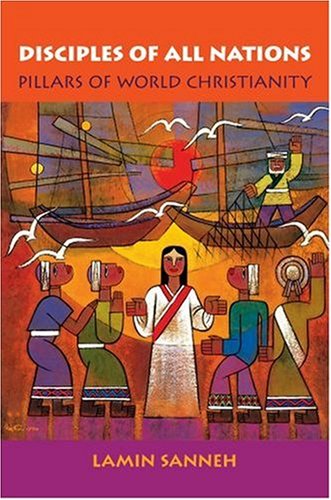 Lamin Sanneh’s book takes it’s place beside Phillip Jenkins’ The Next Christendom as essential reading for a wider and more accurate understanding of present-day Christianity. In an article for Out of Ur in March I used Disciples of All Nations as evidence of how myopic the Western definition of Christian history often can be. While it’s appropriate for the Western church to look to it’s own theological history for guidance, it’s irresponsible to assume that that same history applies the same way to the non-Western church. To go a step farther, in a world that has changed dramatically it’s no longer an option for Western Christianity to ignore the work of God around the world. This divine activity comes with it’s own history and it’s one our churches will be better off for understanding.
——————–
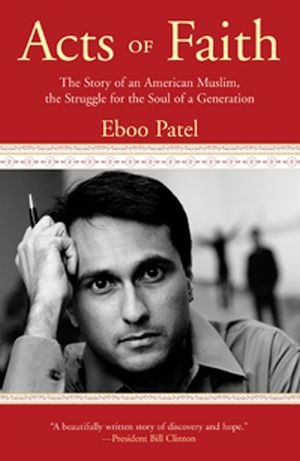 Eboo Patel has a deceptively simple thesis: In order to have meaningful conversations that leads to action, individuals and congregations from different religious traditions should acknowledge what makes them distinct rather than whitewash significant differences in theology and religious practice. The author and founder of Interfaith Youth Core goes even farther. Those from one faith tradition can acknowledge their desire for friends and family from other traditions to convert. A Muslim can admit her desire for her Christian friend to convert to Islam and vice-versa. Honesty breeds trust, allowing common cause to be pursued by people of diverse worldviews. Patel captures this conviction and its significance in our pluralistic world in a memoir about his journey of faith and ecumenical work.
——————–
 Annie Dillard sees things most of us miss. Or, more accurately, she describes our familiar world such that it becomes beautifully and frighteningly unfamiliar. In her book about writing, Dillard doesn’t so much tell- this is what writers do- as she does show- this is what writers see, how they experience and make meaning of people, places and events. The Writing Life is a short collection of Dillard’s experiences and observations about her craft in which I was reminded of the many differences between those of us who enjoy writing and those who are writers.
——————–
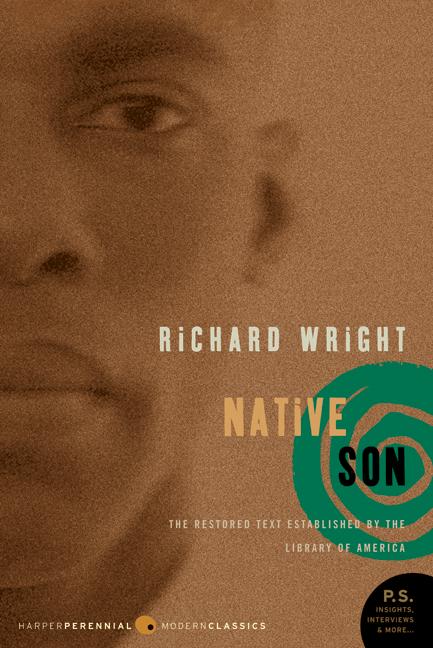 How to describe Richard Wright’s Native Son? This was by far the most difficult book I read in 2009. Wright dares the reader to experience a few days in the life of Bigger Thomas, a young man trapped by the color of his skin within a small section of 1930’s Chicago. In Bigger Thomas the reader encounters the caged mind and soul of a young man who yearns for release and dignity, essences of life which have been systematically denied him at every turn. Wright’s achievement, from my limited perspective, was to expose the psychological and spiritual oppression experienced by his peers and neighbors. Though ultimately a great tragedy- Bigger’s actions are genuinely horrific- by it’s very telling the story allows for redemptive possibilities.
——————–
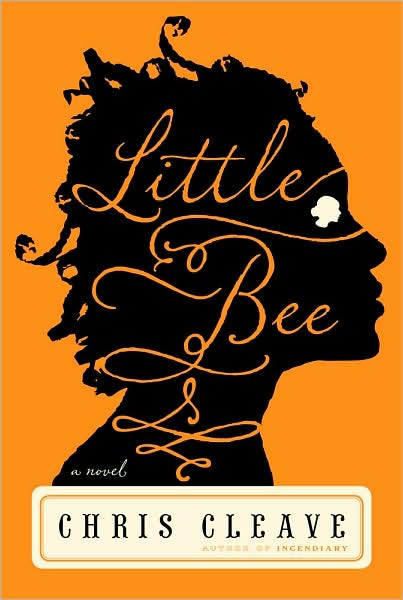 Despite my non-fiction bias, two novels make this year’s list. Little Bee was recommended earlier this year by Susan Richmond, bookshop owner and regular Sings of Life reader. I read this book on the back porch of a California cabin this summer. Despite the relaxing setting, I was all tension and angst throughout Cleave’s account of British and Nigerian worlds colliding. The author, a columnist for The Guardian, manages to take global anxieties about oil and immigration and tell the incredibly relatable stories of those affected by these faceless giants. (A favorite movie this past year was The Visitor which addresses similar themes.) Little Bee captivated and exhausted me while pointing to overlooked realities. What more could this non-fiction reader ask for?
How about you? What is the book (or books) that most impacted how you think and live this year?


Leave a Reply